

What the final weekend of January in Dallas reminded us about momentum, leadership, and standards
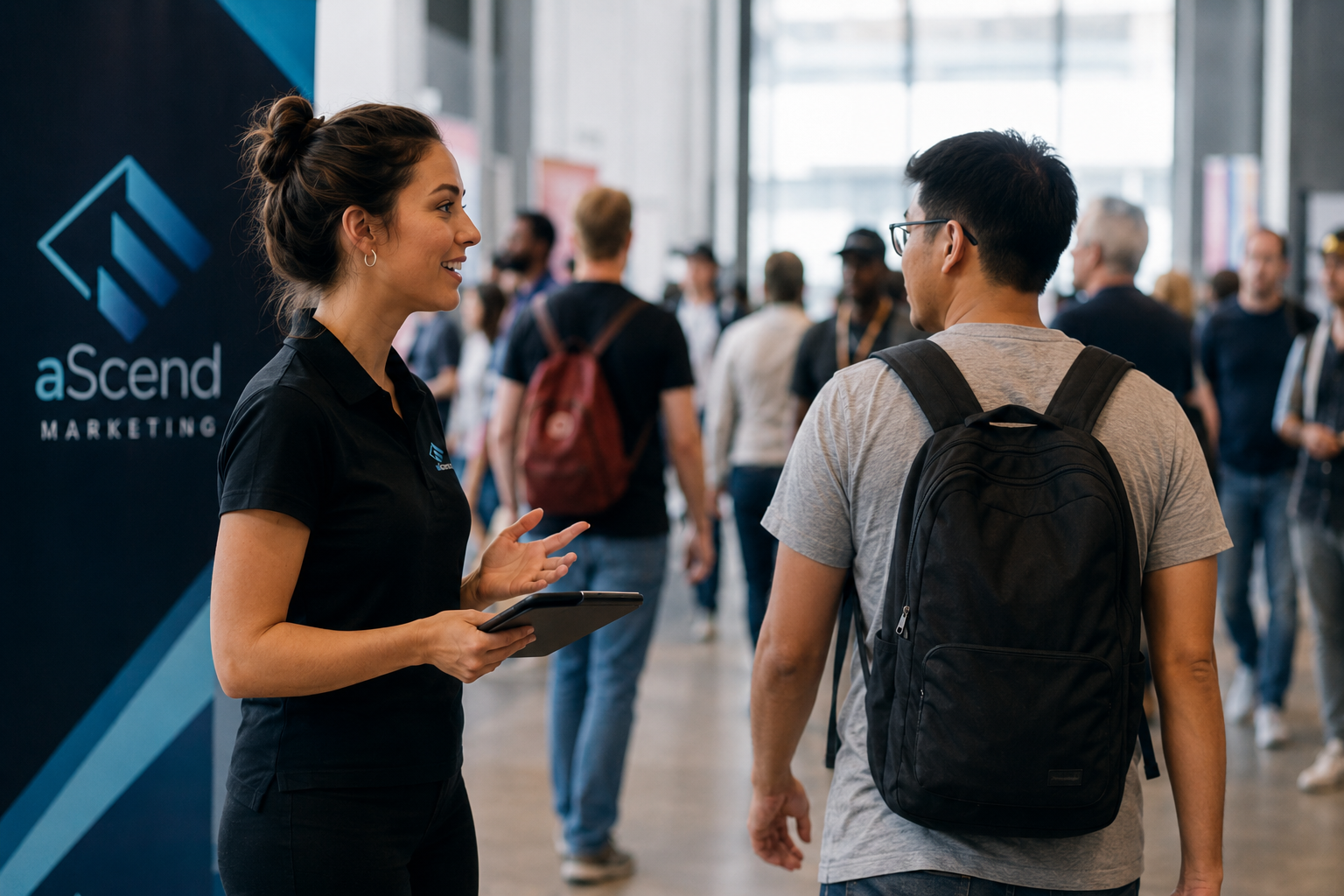
The Limitless event kicked off in Dallas with a packed three-day programme of leadership sessions, campaign summits, and a black-tie awards gala. From Thursday’s invitation-only consultants gathering through to Saturday night’s celebration, the weekend blended practical learning with the relationships and recognition that move the industry forward.
For Ascend Marketing, events like this are not about getting away from the day-to-day. They are about upgrading the day-to-day. When you work in a performance environment, it is easy to get locked into weekly cycles: targets, coaching, hiring, training, client needs, repeat. That rhythm builds resilience, but it can also shrink perspective. A summit weekend creates the space to zoom out, compare notes with high-performing operators, and come back with clearer standards for what great execution actually looks like.
Limitless: Kick Off 2026 ran from Thursday, January 29 through Sunday, February 1, and it was structured in a way that made the learning stick. The event opened on Thursday, January 29, with an invitation-only Consultants Summit at 2:00 pm, followed by a Consultants’ dinner at 8:00 pm. On Friday, January 30, the wider group gathered for Limitless: Kick Off 2026 and the ISO and Assistant Owners Summit beginning at 11:30 am, with organisational networking continuing into the evening. Saturday, January 3,1 began with Campaign and Organisational Summits at 10:00 am, then shifted into the weekend’s most formal moment, a Black Tie Awards Gala. Private coaches departed at 5:15 pm,m and the gala began at 6:00 pm. The weekend concluded with check out on Sunday, February 1, at 11:00 am. Accommodation was hosted at the Hilton DFW Lakes Executive Conference Center, with business attire appropriate for the summits and black tie for the Saturday evening gala.
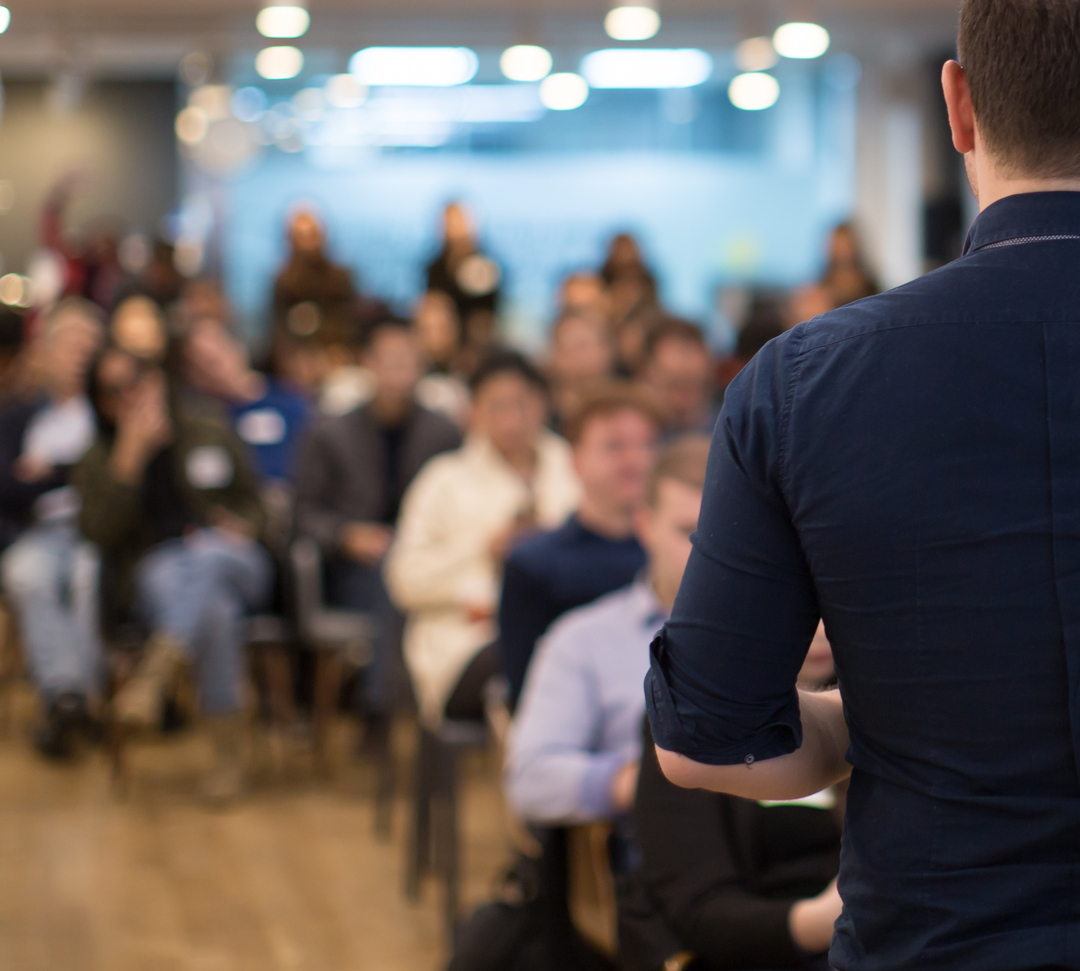
That structure matters more than people realise. It moves intentionally through three modes that every growing organisation needs. First, depth: closed-room conversations where high-performing leaders can speak candidly about what is working, what is not, and where standards have slipped. Second, alignment: bringing more of the leadership layer into the same room so expectations and priorities become shared, not scattered. Third, execution: campaign-level sessions that translate ideas into how teams recruit, train, coach, and perform in the field. Finally, recognition: a public moment that reinforces what the industry values and rewards.
Why are these events valuable?
The simplest way to put it is this: you cannot improve what you never take time to examine. Most teams do not underperform because they lack effort. They underperform because effort gets fragmented. Different leaders prioritise different things. Coaching styles drift. Training becomes inconsistent. Culture becomes reactive. An event like Limitless gives the team a reset point, and that reset point is especially powerful at the start of the year, when goals are being set and habits are being reinforced.
There are three core benefits that Ascend Marketing takes seriously coming out of an event like this.
The first is perspective you cannot generate in isolation. Even strong teams can become biased by their own routines. When you are inside your own organisation every day, you normalise your own problems and you stop seeing alternatives. Listening to other operators talk through their systems forces better questions. Are we hiring the way we do because it is effective, or because it is familiar? Are we coaching in a way that builds independence, or are we unintentionally creating dependency. Are we protecting standards during growth, or are we letting growth become the excuse for inconsistency? Those questions are uncomfortable in the best way, because they sharpen decision making.
The second benefit is shared language. High performing teams move quickly because they have clarity on what words mean. “Standards” is not a motivational phrase, it is a definition you can coach to. “Leadership” is not a title, it is behaviour you can measure. “Culture” is not the vibe, it is what you tolerate and what you reward. When leaders and rising leaders attend the same sessions, hear the same frameworks, and discuss the same expectations, that shared language reduces friction back home. It makes feedback cleaner. It makes training more consistent. It makes accountability easier, because the standard is agreed, not debated.
The third benefit is momentum that is earned, not manufactured. Motivation can come from a speech, but it fades quickly when the week gets hard. Momentum comes from decisions and systems. It comes from leaders returning with a clearer plan for how they will coach, how they will structure weeks, how they will develop people, and how they will protect performance. The point of a summit is not to feel good for a weekend. It is to execute better for the next twelve months.
What the team learns and brings back
A lot of people assume the learning at events comes from brand-new information. In reality, most growth comes from reinforcement and refinement. The best leaders in any industry already know the basics: recruit consistently, train deliberately, coach daily, hold standards, develop people, track performance, reward the right behaviour. The gap is rarely knowledge. The gap is consistency.
So the most valuable learning from a weekend like this is often a shift in emphasis. You notice what high performers obsess over that average performers ignore. You hear what leaders repeat, not once, but constantly. You see how the best organisations remove ambiguity so teams can execute without second-guessing.
For Ascend Marketing, this translates into a few clear takeaways that affect how the team operates.
One is the importance of daily and weekly rhythm. Teams that scale well typically do not rely on heroic effort. They rely on repeatable cadence. That cadence keeps energy stable, ensures coaching happens even when the week is busy, and prevents performance swings that come from inconsistency. When leaders return from an event with renewed commitment to cadence, the whole organisation feels it because the environment becomes more predictable and more professional.
Another is leadership development as an operational priority, not a future goal. Many organisations say they want leaders, but then spend most of their time putting out fires. Events like Limitless pull leadership back to the surface. They remind everyone that sustainable growth happens when leaders are trained to lead, not just expected to cope. That includes how leaders communicate expectations, how they structure coaching conversations, how they handle underperformance, and how they protect culture when pressure rises.
A third is the role of honest feedback loops. In a performance driven environment, feedback is either a growth engine or a friction point. When it is vague, it becomes personal. When it is specific, it becomes useful. A summit environment tends to reinforce specificity: what was the behaviour, what was the result, what is the adjustment, what is the follow through. Bringing that approach back raises standards without draining morale, because people can actually improve.
And then there is the value of networking when it is treated as knowledge transfer, not small talk. One good conversation with the right operator can compress weeks of trial and error into a single insight. It is not about collecting contacts. It is about collecting patterns: what is working right now in recruiting, what training structures are producing strong retention, how leaders are keeping performance high during growth phases, and what systems are preventing burnout. Those insights matter because they reduce guesswork, and guesswork is expensive.
How it helps the team in practical terms
The real test of any event is what changes afterwards. For Ascend Marketing, the value shows up when the team returns sharper, more aligned, and more confident in the standard they want to hold.
It helps because it raises the bar in a way that feels concrete. When leaders have seen excellence up close, it becomes harder to accept “good enough” at home. Training improves because the expectation is clearer. Coaching improves because leaders return with stronger language and better structure. Accountability improves because standards are not abstract, they are tied to habits and outcomes.
It also helps because it strengthens culture. Culture is not what you say, it is what you repeatedly reinforce. When a team invests time to learn together, network together, and celebrate together, it deepens cohesion. People feel part of something that has a wider context than their own office or their own week. That matters in a performance environment, because belonging and ambition need to coexist. You want a team that competes, but you also want a team that stays.
Recognition plays a bigger role here than many people admit. The black tie gala is not just glamour. It is reinforcement. It signals that performance is noticed, growth is respected, and leadership is rewarded. That is not just feel-good. It is retention. People will grind for targets, but they stay loyal to environments where their work is seen and their progress is real. When success feels real, it becomes repeatable.
The takeaway for 2026
Limitless was a reminder that momentum is not a feeling. It is a standard. It is created through the decisions leaders make when nobody is watching: how they coach, how they train, how they communicate expectations, how they handle setbacks, and how they reinforce culture when things get busy.
Ascend Marketing is proud to have been part of a weekend that brought the industry together around learning, leadership, execution, and recognition. The win is not the trip itself. The win is what the team brings back: clearer standards, stronger coaching, tighter rhythm, and a renewed commitment to doing the work at a higher level.
Because the goal is not just a strong start to the year. The goal is to build a year that compounds. A year where training stays consistent, leadership keeps developing, culture stays professional, and performance becomes the by-product of the standard, not the result of last minute effort.
That is what events like this are for. They give you perspective, alignment, and a sharper lens on what matters. Then they send you home to execute.